Multi-Threading Strategy for Enterprise Deals With a Single Champion
Expand beyond your champion to build consensus across the buying committee.
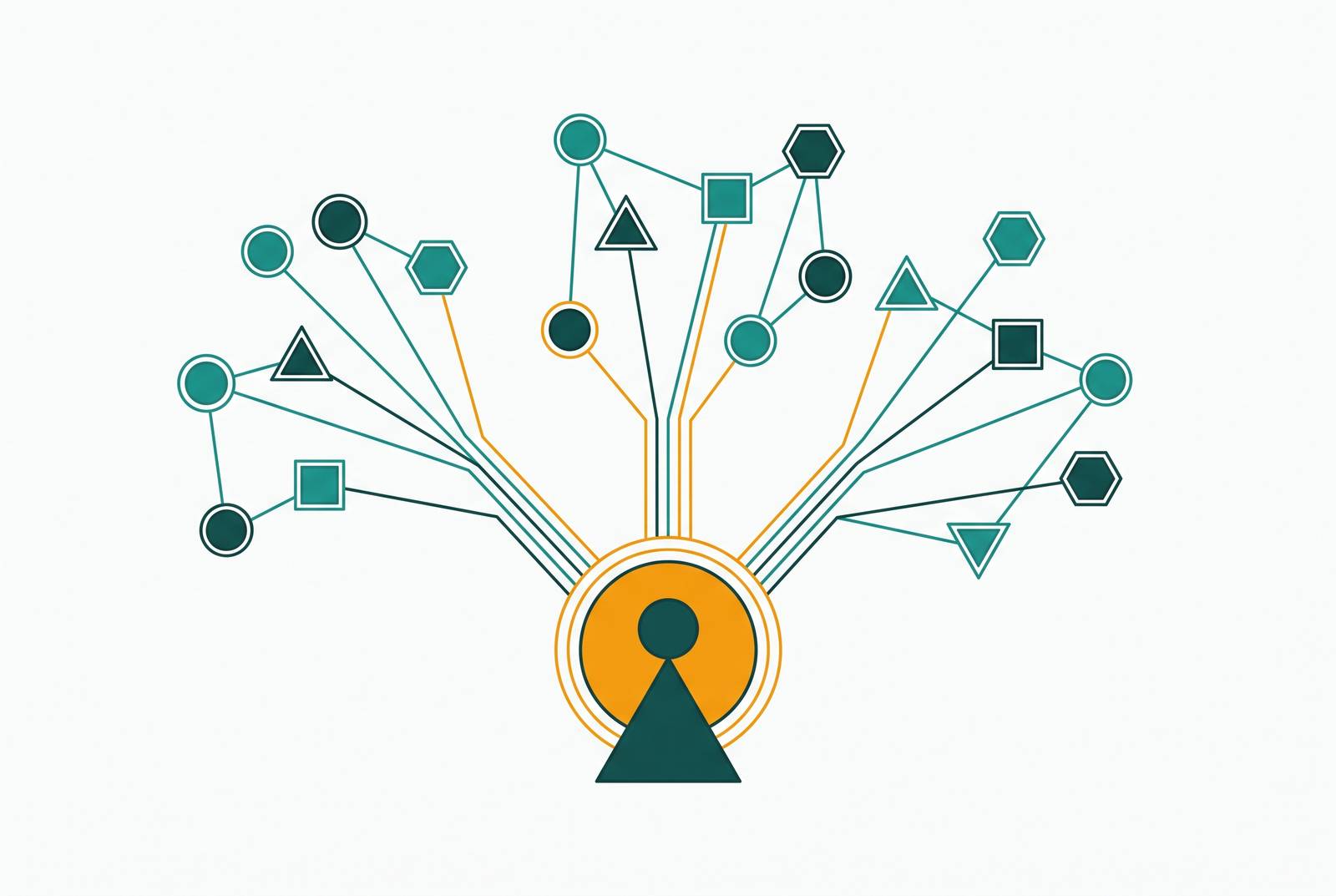
An enterprise deal with a single champion needs a multi-threading strategy that builds on that relationship. This strategy requires a disciplined process of mapping the buying committee, sequencing introductions, and testing agreement across the people who control the decision. Done well, this gives the champion more support and the deal a foundation that does not depend on one person.
Why enterprise deals with a single champion are structurally fragile, even when everything looks on track
The champion is strong, the signals are positive, and the deal looks on track. Then come two weeks of silence, followed by the email saying the buyer went in a different direction. What changed during the silence may be unclear, but the weakness was already there. Everything the seller knew about the deal came through one person, but a committee would make the decision.
That is a structural problem. An enterprise buying committee spans departments, and one person cannot credibly represent finance, IT, legal, and end users at once. The champion often acts as a project manager and internal salesperson, with decision-making authority held elsewhere. They have to answer questions in meetings the seller cannot join, without the seller’s ROI model, security answers, or skill at dealing with objections in person.
This arrangement creates predictable failure modes. A departure removes the only relationship, an invisible blocker turns private objections into delays, or a competitor builds relationships with the people the seller has never met. Even an enthusiastic champion may lack standing with the CFO or CTO. Their support matters, but it cannot substitute for the authority and agreement needed elsewhere in the committee.
What multi-threading actually means when you already have a champion you trust
Going around your champion feels disloyal. The important distinction, however, is between bypassing them and expanding through them. Getting in touch with their colleagues without telling them puts the person already selling for you inside the company at risk. Asking who should join, getting introductions ready, and telling the champion what each conversation will cover makes them the sponsor of that expansion.
The practical change is to stop treating the champion as a relay point. Give them the language and materials to organize the decision rather than expecting them to improvise answers across functions. Draft the introduction email and send it to them for review and forwarding. That leaves them in control of the introduction without making them do the writing. The purpose is to help the people reviewing the purchase get answers before they ask the champion questions outside their expertise.
This does not mean contacting the entire account at once. Build the champion relationship first, then begin expanding around the third touchpoint, when enough context exists to make each new conversation relevant. At that point, the champion can help explain why a technical, financial, or operational discussion belongs in the process. Their role becomes more substantial because they are helping design the buying process.
Reading the org and mapping the buying committee before you start threading
Before sequencing conversations, build a committee map with the champion. Ask who else will be involved in the decision, including what each person cares about. The answer needs to go beyond names and titles to capture authority, relationships, priorities, and whether each person is a supporter, neutral, or a blocker. A champion who cannot explain these things may not have the internal reach the deal requires.
Start with the economic buyer, who controls the budget and signoff even if they never attend discovery. Their questions concern ROI and cost justification. The technical evaluator assesses fit, security, and integration, with the power to veto a purchase on feasibility. The end user or operator brings the daily workflow view, and renewal depends on their adoption.
Compliance or procurement brings a different test, including legal terms, security, data privacy, and vendor qualification. Those concerns can stop a deal after a verbal yes, so their absence from early meetings does not make them peripheral. For larger deals, the map may also need a secondary executive sponsor, the executive sponsor’s chief of staff, a platform or architecture team lead, and a change management lead. These roles matter because influence and access do not always follow the most visible reporting lines.
The map also needs verified, current contact information. Enrichment platforms that identify the full buying committee support this work, but stale records can prevent sellers from reaching people they know matter. Job changes and product usage then help turn the contact list into a live view. A useful map shows not just who belongs in the decision, but where engagement is changing.
How to sequence stakeholder engagement without burning relationships or wasting time
Use the map to build a sequence around the work each stakeholder needs to do. Bring in the technical evaluator in weeks 2–3 so concerns about integration and security come up before they become late-stage blockers. Bring in end users or operators in weeks 3–5, when what they know about their workflow can help shape talks about the product. Approach the economic buyer in weeks 4–6, typically with executive involvement from your side.
These timing cues do not replace the champion’s internal groundwork. An executive conversation that arrives before the problem has context or urgency can weaken the deal. The message also needs to match the role. Talk about daily workflow with the operator, ROI with the budget holder, and strategic alignment with the executive sponsor.
Time the work with compliance and procurement carefully because they may do most of their work when terms are being discussed, typically in weeks 8+. Start that work as a parallel workstream at proposal, before a verbal yes. Otherwise, terms and qualification become a final gate whose problems could have been addressed earlier. The distinction is between when the work begins and when it becomes the main subject of negotiation.
When several stakeholders join a meeting, hold off on the demo. Ask each person how the problem shows up for their team so differences in urgency become visible. Then invite a different view to check for agreement even when no one objects. An objection raised during problem alignment can be dealt with, but one held back until contract review may be more than the champion can solve.
Using validation questions to find the gaps between what your champion reports and what the committee actually thinks
The champion reports that budget is locked, but the economic buyer says the purchase is still being evaluated against next year’s budget. Those statements describe different buying conditions. The gap need not mean the champion misled anyone. They may genuinely not know what the committee thinks because the relevant conversations happen without them.
Validation tests whether stakeholders share a view of the problem, budget, and timing by asking them the same questions and checking how their answers line up. Finding a mismatch before proposal can change the plan for the deal. The same mismatch discovered in procurement may stop a deal that appeared ready to close.
Direct conversations also put objections in front of someone equipped to answer them. A technical evaluator’s integration concern needs more than the champion’s enthusiasm, just as a CFO’s request for ROI data needs more than a general account of benefits. Hearing those concerns firsthand lets the seller deal with them before they become reasons to delay. It also removes the burden of asking the champion to speak as an engineer, financial analyst, and security expert.
To keep that information useful, log engagement for each contact on each opportunity in the CRM. A name on the map is not evidence of an active relationship. Track who is engaged and which threads have gone cold so coverage reflects actual conversations. A dark thread needs a closer look even when the relationship with the champion is strong.
Building a business case that spans the committee rather than one person's pain
Once the different views are visible, multi-threading can move from protecting the deal to accelerating it. A champion can explain one function’s problem, but the committee can help quantify the cost of inaction across functions. That broader case carries more weight because it reflects more of the status quo. The relationships become a way to build agreement.
Consider how the same problem can appear across a buying group. The VP of Sales sees weak pipeline predictability, the RevOps leader sees data fragmentation, and the CFO sees rising acquisition costs. Bringing those perspectives into a group conversation allows them to connect to a shared outcome. The business case becomes more compelling because it joins concerns that one champion could not fully represent alone.
A CFO who has contributed to the ROI model has already had a chance to test the financial argument. A technical evaluator who has signed off on the integration architecture has already examined feasibility. Their involvement gives the case advocates in the room rather than leaving all objections for the final review.
Define minimum contact coverage by deal size and require those contacts to be logged before progression. The champion remains central as a co-architect of the case and its internal sponsor.
What happens when the champion goes dark, leaves, or loses influence mid-deal
The champion stops responding, and two weeks pass without a reply. In a single-threaded deal, the seller has no other relationship through which to understand the silence. With early threading, the seller can turn to people already involved and look at job changes, product usage patterns, and engagement shifts. Those signals help show whether a deal has stalled or is losing support.
The same coverage matters when the champion stays but has less sway. A reorg or budget cut can change their standing with the economic buyer even if their enthusiasm remains intact. A direct relationship with that buyer gives the seller a view beyond the champion’s own assessment. The seller now needs to understand how the decision has changed instead of waiting for the original contact to get the deal moving again.
If the champion leaves, existing threads also provide the context to identify a successor. The natural next sponsor is usually the economic buyer or a senior technical evaluator, depending on the relationships already established. Approach that person with the deal’s history and materials in hand. The conversation can build on work they have already done together instead of starting with a pitch that is new to them.
The wrong response is a cold reach-out to every contact available at the account. That signals desperation and can damage relationships that might otherwise carry the deal forward. Early threading matters precisely because it avoids that scramble.
Treating multi-threading as a repeatable process rather than a deal-by-deal judgment call
For multi-threading to improve results across the pipeline, it needs to become an operating standard. Leaving it to individual initiative allows a strong champion relationship to keep standing in for committee coverage. Defined coverage requirements, tracked engagement, and contact intelligence make the work visible. They also make missing relationships something the team must address before advancing a deal.
Verified contact data makes the buying group reachable, while champion-led introductions make expansion transparent. Reps need the means to find the right people and a clear way to involve them without undermining the sponsor.
Managers reinforce that discipline by reviewing coverage alongside champion health. Asking who the rep has spoken to this week besides the champion changes what the review rewards. Job changes, product usage, and engagement patterns then keep the committee map up to date between reviews.
Coverage still needs role-specific fluency to be useful. For teams selling AI-enabled tools into enterprise accounts, the committee increasingly includes TA leaders, CHROs, legal, IT security, and procurement, with concerns about data privacy, bias liability, integration risk, and human oversight. Reaching those people is only the beginning of engaging them. When teams keep doing this across the pipeline, the gains build and change the shape of the win-rate curve beyond what adding another contact to one deal would do.